
Tagine Recipe: A Flavorful Moroccan Delight
Moroccan cuisine is famous for its rich, aromatic flavors, and tagine is one of its most cherished dishes. Whether made with tender meats, fresh vegetables, or a hearty mix of both, tagine is a slow-cooked, flavor-packed stew traditionally prepared in a clay pot of the same name. In this guide, we’ll walk you through the steps to create an authentic Moroccan tagine at home.
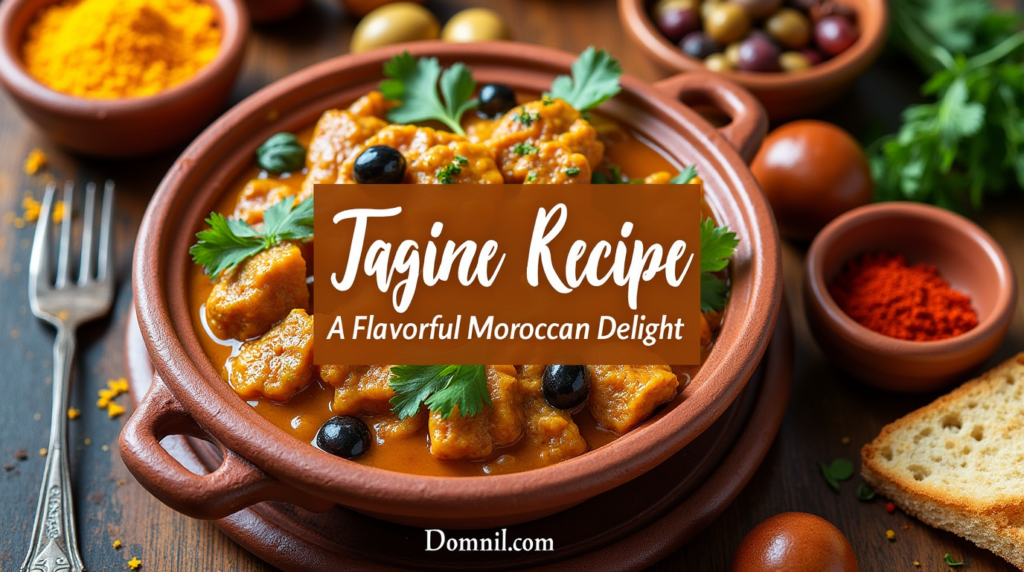
Table of Contents
What is a Tagine?
Definition and Origins
A tagine is both a dish and the special pot used to cook it. The word “tagine” originates from North Africa, particularly Morocco, where it has been a staple for centuries. This slow-cooked stew combines meat, vegetables, and aromatic spices to create a deliciously rich and fragrant dish.
The Significance of the Tagine Pot
The traditional tagine pot is made of clay or ceramic and features a unique conical lid that helps circulate steam, ensuring that food remains tender and flavorful. This slow cooking method allows ingredients to absorb the aromatic spices deeply, resulting in a dish with layers of complex flavors.
Ingredients for a Classic Moroccan Tagine
Essential Spices and Herbs
To achieve an authentic Moroccan taste, the following spices are essential:
- Cumin – Adds a warm, earthy flavor
- Coriander – Enhances the dish with citrusy notes
- Turmeric – Gives the dish a golden color and mild flavor
- Paprika – Adds a mild sweetness
- Ginger – A staple for warmth and depth
- Cinnamon – Provides a hint of sweetness
- Saffron – A luxurious spice that enhances aroma
- Ras el Hanout – A blend of the best Moroccan spices
Key Ingredients for a Traditional Tagine
- Protein – Chicken, lamb, beef, or fish
- Vegetables – Carrots, potatoes, tomatoes, and zucchini
- Preserved Lemon – A unique Moroccan ingredient that adds a tangy, salty flavor
- Olives – Provide a briny depth of taste
- Garlic and Onion – The aromatic base of the dish
- Olive Oil – The foundation for sautéing ingredients
Optional Ingredients for Variations
- Dried Fruits – Prunes, apricots, or raisins for a sweet touch
- Nuts – Almonds or pine nuts for added texture
- Chickpeas – A great option for a vegetarian tagine
Choosing the Right Tagine Pot
If you’re new to cooking tagine, you might wonder whether to invest in a traditional clay tagine or use alternatives.
Clay vs. Ceramic Tagines
- Clay Tagines – These require seasoning before use but provide the most authentic cooking experience.
- Ceramic Tagines – Easier to use and maintain but may not offer the same depth of flavor.
Alternative Cooking Methods
Don’t have a tagine pot? No worries! You can cook a tagine in:
- A Dutch oven
- A slow cooker
- A heavy-bottomed pot with a lid
Step-by-Step Cooking Instructions
1. Preparing the Tagine Pot
- If using a clay tagine for the first time, soak it in water for 24 hours to prevent cracking.
- Rub the inside with olive oil and heat it gently before cooking.
2. Sautéing the Base Ingredients
- Heat olive oil in the tagine pot over low heat.
- Add finely chopped onions and garlic, cooking until softened.
3. Adding the Protein
- Brown your choice of chicken, lamb, beef, or fish in the pot.
- Sprinkle with salt, pepper, and Moroccan spices for flavor.
4. Slow Cooking to Perfection
- Add vegetables, preserved lemon, olives, and broth to the pot.
- Cover with the conical lid and let it simmer for 1.5 to 2 hours.
Traditional Moroccan Tagine Variations
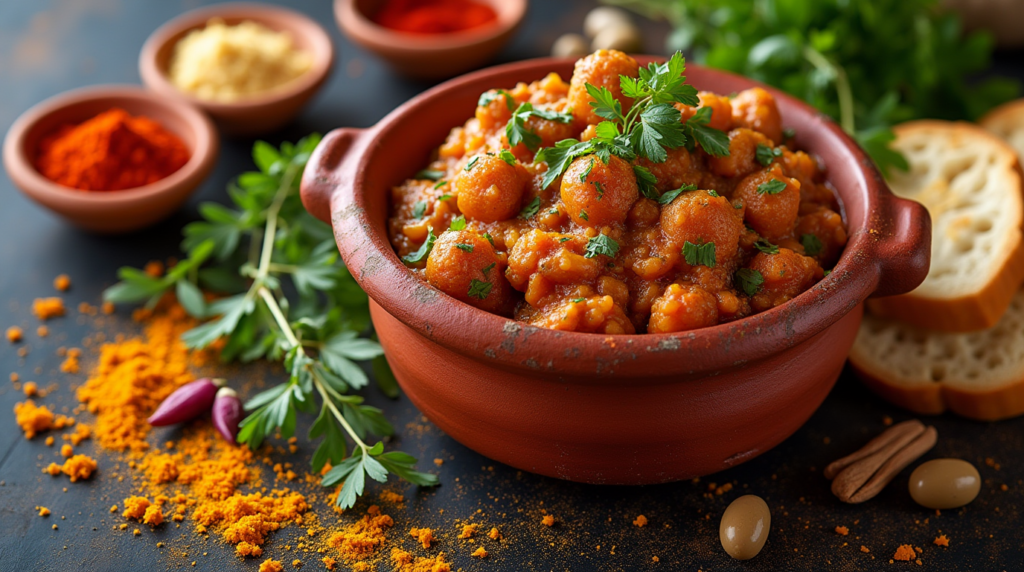
- Chicken Tagine with Preserved Lemon and Olives – A zesty and savory dish.
- Lamb Tagine with Prunes and Almonds – A sweet and savory delicacy.
- Vegetarian Chickpea and Vegetable Tagine – A healthy, hearty option.
Tips for the Perfect Tagine
- Cook on low heat – Rushing a tagine ruins its flavor.
- Layer ingredients properly – Meat first, then veggies on top.
- Let the flavors develop – The longer it cooks, the better.
What to Serve with Tagine?
- Moroccan bread (Khobz) – Ideal for scooping up the sauce.
- Couscous – A traditional side dish.
- Rice or quinoa – A great modern twist.
Storing and Reheating Leftovers
- Store in an airtight container in the fridge for up to 3 days.
- Reheat gently on the stovetop to retain flavor.
Health Benefits of Eating Tagine
- Rich in antioxidants from spices like turmeric and saffron.
- Slow cooking retains nutrients in vegetables.
- High in protein when using lean meats.
Conclusion
Cooking a Moroccan tagine is an incredible way to bring bold flavors to your kitchen. Whether you opt for chicken, lamb, or a vegetarian version, this slow-cooked stew is sure to impress. Enjoy it with traditional sides for an authentic experience!
FAQs
- Can I cook tagine without a tagine pot?
Yes! A Dutch oven or slow cooker works well. - What is the best meat for tagine?
Lamb and chicken are the most traditional choices. - Can I make a tagine in a slow cooker?
Absolutely! Just follow the same steps and cook on low for 6-8 hours. - How long should I cook a tagine?
Around 1.5 to 2 hours for the best flavors. - What is the best way to season a new tagine pot?
Soak it in water for 24 hours, then coat with oil and heat it slowly.